The Butterfly Bombing of Grimsby and Cleethorpes
In June 1943, during World War II, Grimsby, a coastal town in northeastern England, experienced a significant bombing raid conducted by the German Luftwaffe. This raid, known as the "Butterfly Bombing," was part of Germany's broader strategy to disrupt British supply lines and morale.
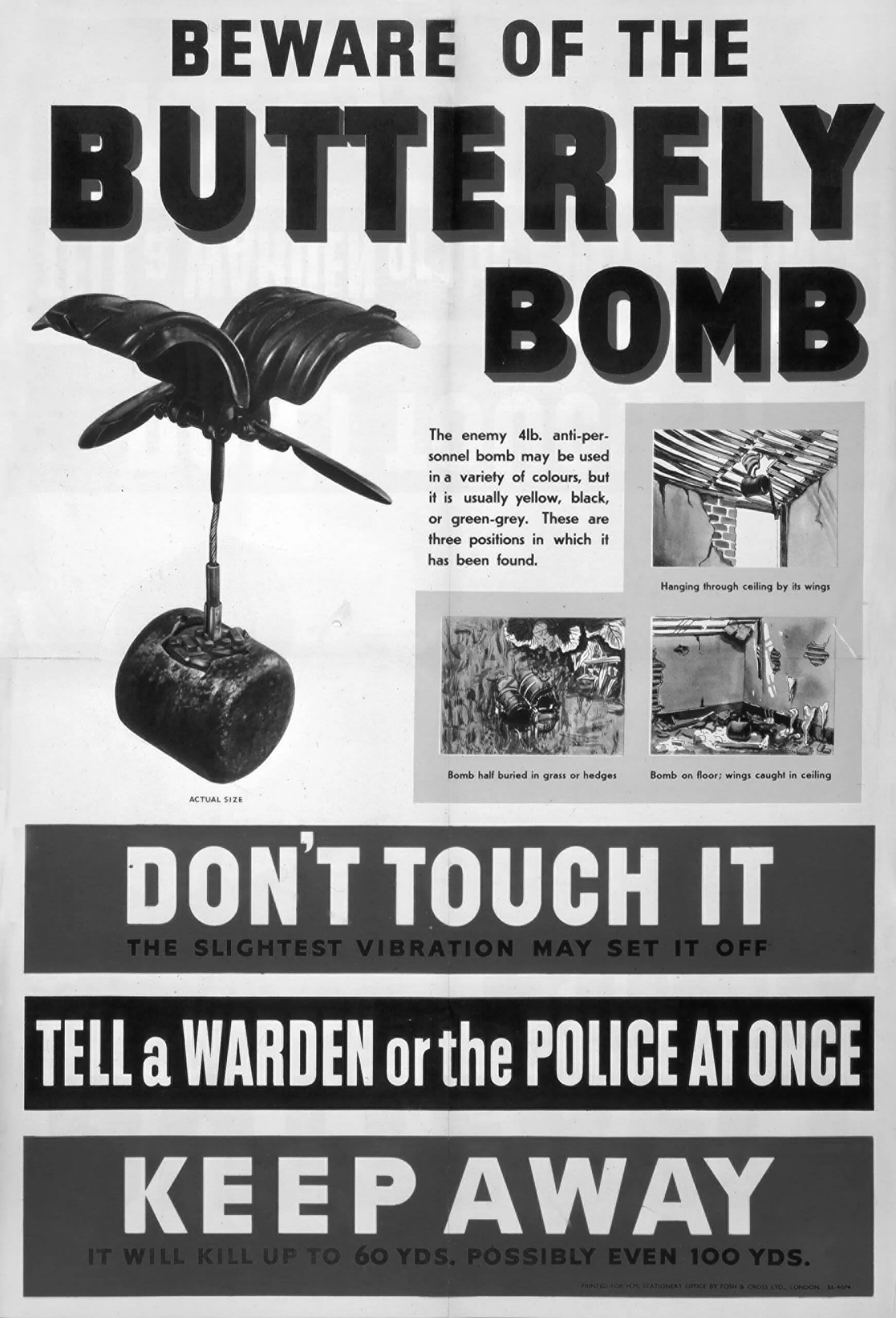
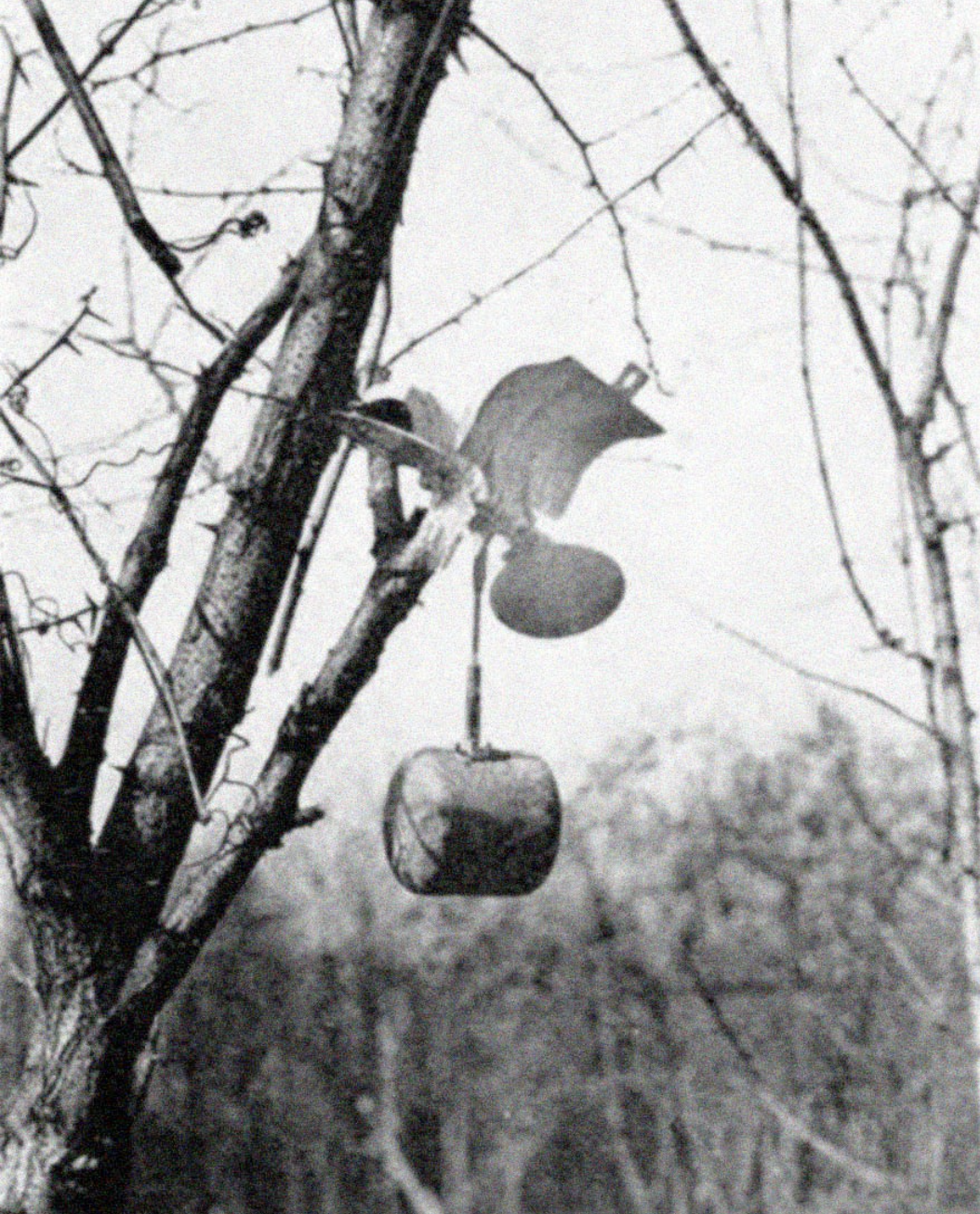
The term "Butterfly Bombing" refers to the use of anti-personnel bomblets, also known as butterfly bombs, which were dropped in large numbers during the raid. These small devices, resembling butterflies in flight, were designed to scatter over a wide area, often laying dormant in streets and fields until they would detonate when disturbed.
An early type of cluster bomb, the German Luftwaffe first used the SD2 on Ipswich in 1940 before the raid in Grimsby, Cleethorpes and Hull in 1943.
The butterfly bomb had 3 distinct fuses, the first of these was the 41 which exploded on impact and could kill or injure anyone within 150 metres of where they fell.
The second fuse was a 67 short delay fuse, and the bombs fitted with these were designed to kill or injure those who had come to help the victims of the first type.
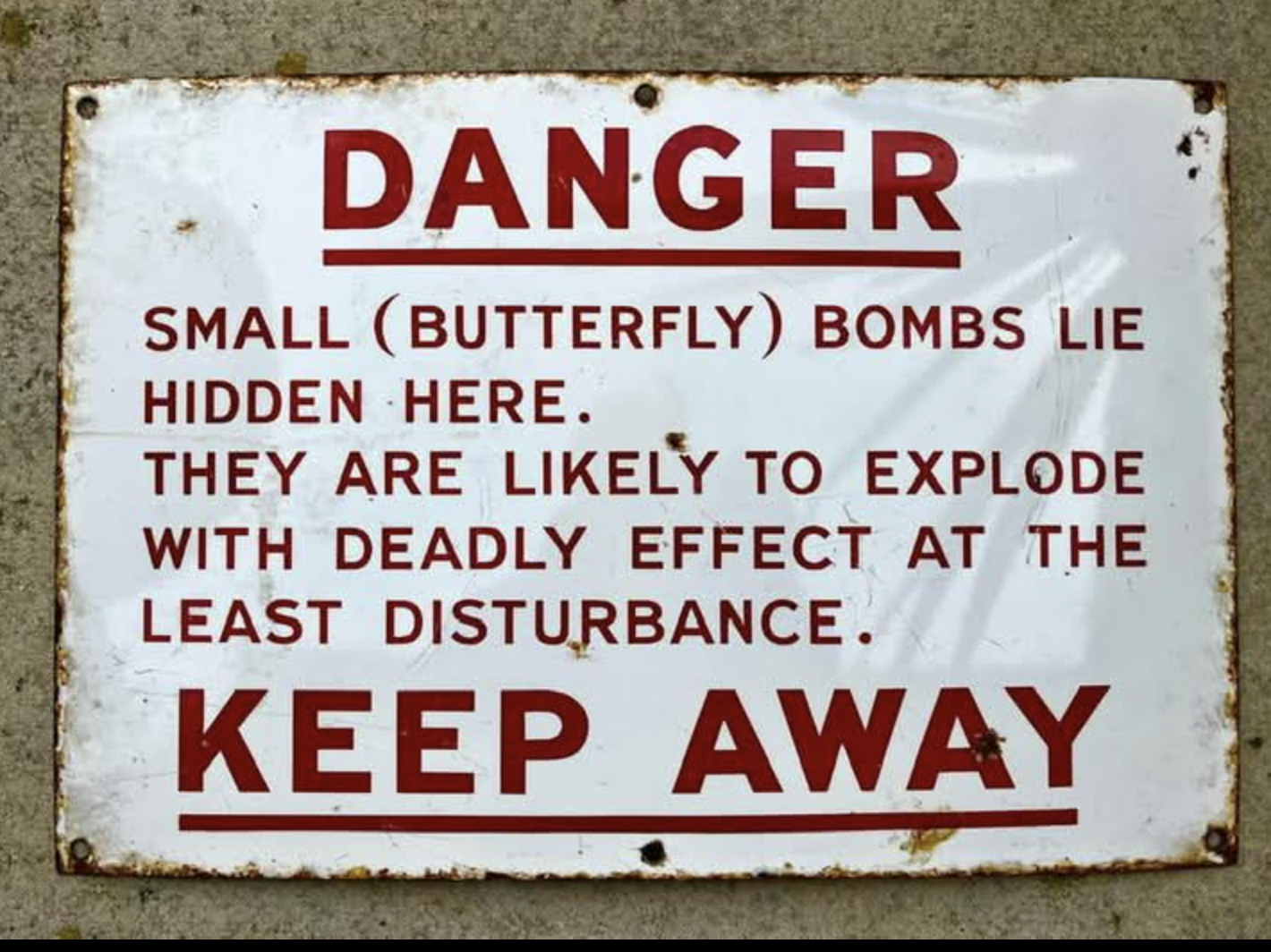
The final fuse fitted to the bombs was the anti disturbance fuse. Bombs fitted with these fuses laid in the bushes, in the streets and in the fields until they were unwittingly disturbed by unsuspecting members of the public. These types of fuses meant that bombs were still being found in the area for many years after the event.
The Raid Begins
By June 9, 1943, the residents of Grimsby and Cleethorpes had become accustomed to the sound of air raid sirens, the discomfort of cold, damp shelters, and the terrifying blasts of the Luftwaffe bombers overhead. However, the night of June 14th would be unlike any other they had experienced.
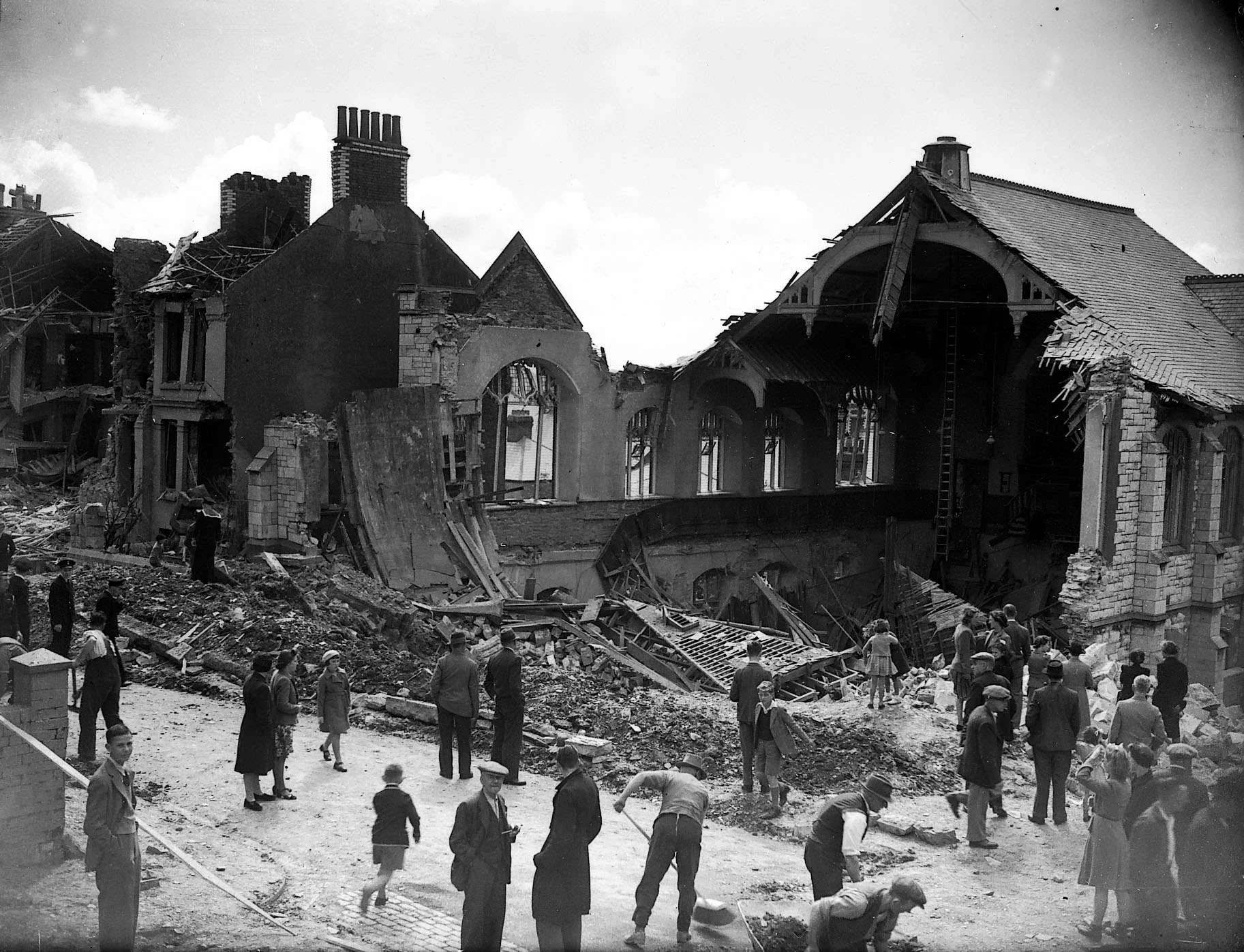
Following what many considered the worst air raid of the war, people emerged from their shelters to find a scene of chaos. Across the streets, gardens, and rooftops, strange, metal devices were scattered—suspended from trees and power lines, and lying in the gutters. These were the infamous butterfly bombs.
The raid began at 1:43 AM with a mix of high-explosive and incendiary bombs, which ignited fires throughout the area. Once the fires took hold, the Luftwaffe unleashed a new weapon—butterfly bombs—estimated to number around 3,000. These small, deadly devices were designed to be indiscriminate, unpredictable, and highly dangerous.
Some of the bombs had impact fuses, meaning they exploded on contact, killing or injuring anyone within range. As the fires burned and the smoke cleared, ambulance crews, police, air raid wardens, military personnel, and civilians emerged to assist in the aftermath. But as they moved through the wreckage, another danger awaited. Delay fuses on some butterfly bombs meant they detonated intermittently, causing further casualties to those trying to help.
Even more horrifying were the bombs equipped with anti-disturbance fuses, which lay dormant, waiting for someone to touch or move them. These bombs continued to claim lives and cause injury for days, weeks, and even months after the raid.
The scale of the devastation prompted widespread concern. Once the true nature of the anti-disturbance bombs was understood, local residents demanded a comprehensive search of every property in the area. A massive operation was launched on June 19th, with over 10,000 personnel involved in the effort.
Despite their best efforts, by the time the search was officially completed on July 9th, the toll was staggering. 114 people had lost their lives, a number that represented more than half of the total civilian casualties in the region from 37 bombing raids over the course of five years. The impact of that night’s raid would be felt for years to come, as the danger posed by the butterfly bombs remained a dark chapter in the local history of wartime Grimsby and Cleethorpes.
Memories
I was born in Grimsby in 1934 and lived there up to 1953. I well remember that raid. One of the bombs fell just over our adjoining wall into the back garden of the house next door. When it was exploded by the army personnel an upstairs window in the house on the other side of us blew. What a strange thing.
We must not dismiss our past.
— Bernard Laurence
My parents house was hit by one of these incendary devices which fortunately did not set fire to anything as it was one of many duds. It did however punch a large hole in the roof that took months to repair due to the shortage of materials at the time.
My father was away in the navy (he served as a Chief Engineer on the Atlantic convoys and experienced the sinking of his ship at the hands of a German U-boat), but my mother and maternal grandmother were both sheltering in the house (under one of those steel cages used to protect from a collapsed building while rescue arrives) when the butterfly bomb hit.
[this] illustrates that civilians were as much caught up in the war as those bravely fighting on the battle front.
— Gerry Walker
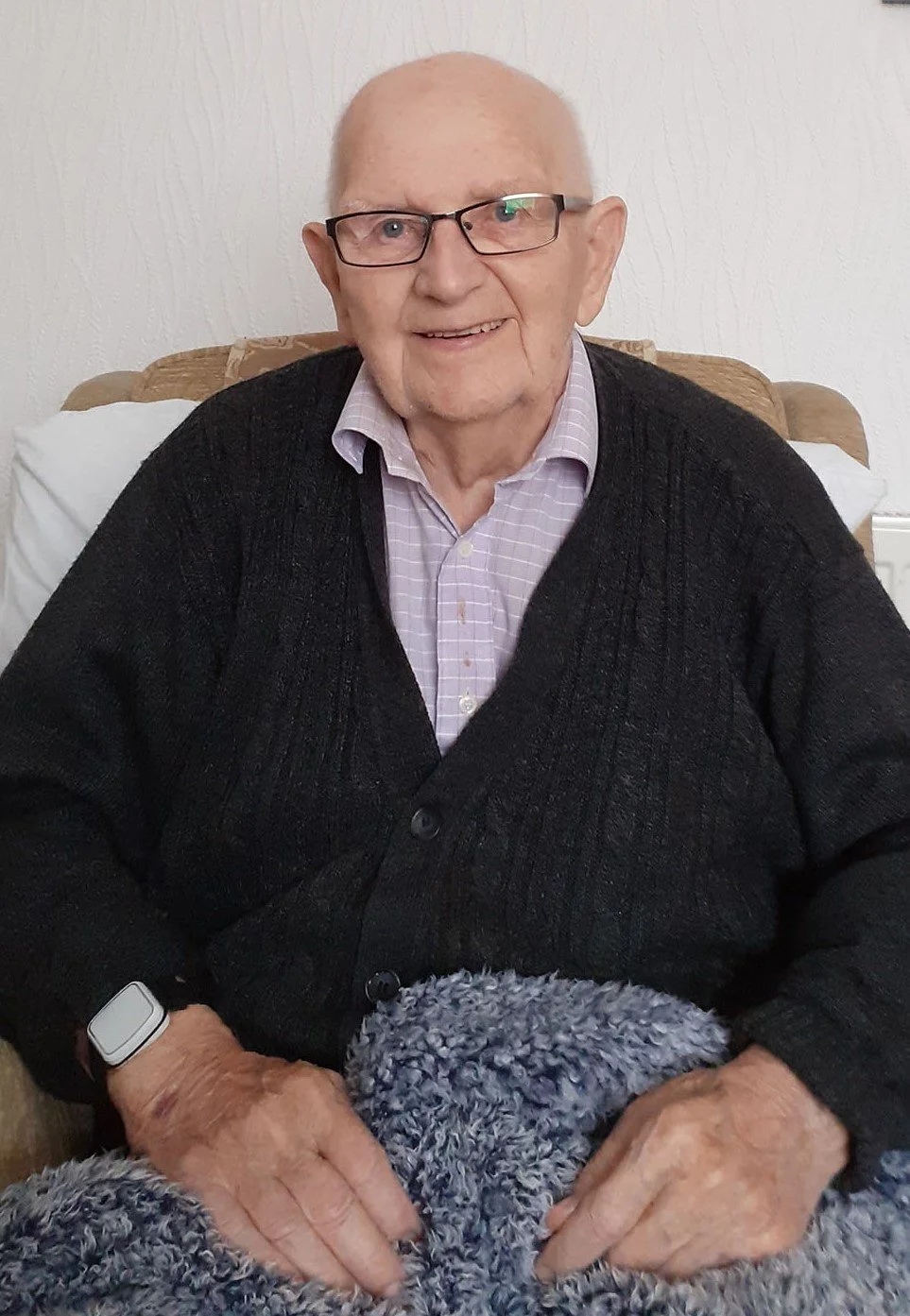
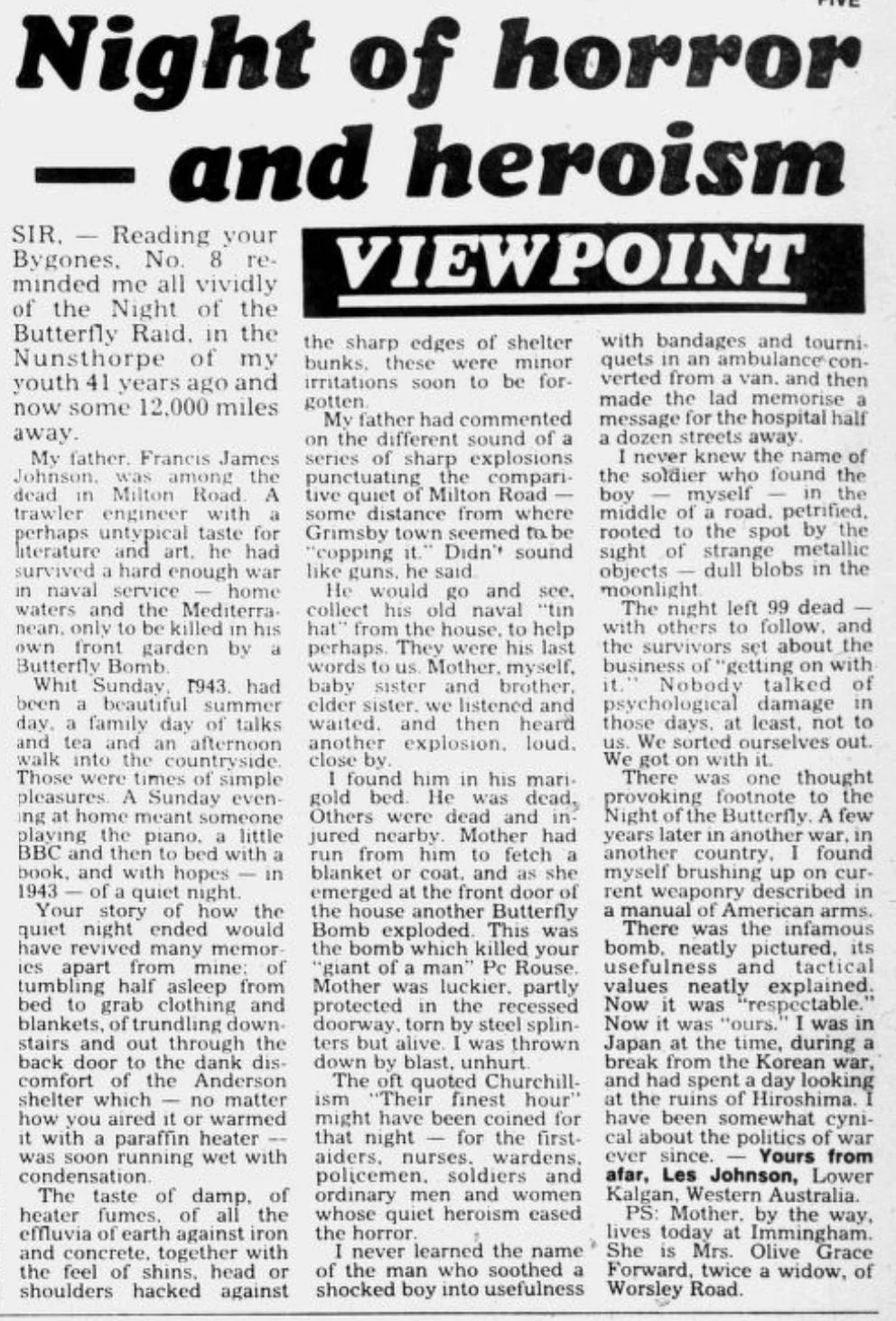
I was 14 years of age then and (much to my mothers chagrin) a member of the Police Messenger squad.
We had to have a cycle and wear the uniform. We were based at a special-police base- mine being at Weelsby Street School.
When the Air Raid siren sounded during the night on 13 June 1943. I followed instructions and went on my bike in order to report to the Sergeant.
It was our job to take messages from the Sergeant to the Battle Room which was based at the Municipal Offices in Grimsby.
As I approached the building all hell was let loose – Grimsby was lit up like daylight from the flares of the German bombers and I vividly remember crouching with others in the school hall whilst the German planes unleashed their bombs.
After that came an eerie silence and the Sergeant passed me a message with the instruction to take it to the battle room.
As he did so another lad called Lawson snatched it out of my hand saying he wanted to take the message. Alas, his wheel caught the wings of the Butterfly bomb which exploded killing him instantly – a lucky escape for me but an indication of the deaths and injuries caused by these deadly weapons several of which were found in the school playground later.— Dr John Hall
I grew up hearing stories of wartime Cleethorpes, but one memory in particular has stayed with me, shared many times through quiet conversations over the years.
During the Second World War, my family lived on Kingsley Grove in Nunsthorpe. My grandfather was away from home, serving in the Royal Artillery on searchlight duty in Dover, so the household was made up of my grandmother and her daughters. Like many homes at the time, they did not have their own air-raid shelter.
Their neighbour at number 7 offered a practical solution. A small gap was cut into the fence between the two gardens, allowing both families to quickly reach a shared Anderson shelter whenever the air-raid sirens sounded. It was a simple act of cooperation that may well have saved lives. When the sirens went off, everyone would move through the gap in the fence and wait together until the all-clear was given.
On the night of 14 June 1943, the routine was no different. The sirens sounded, the families took shelter, and eventually the all-clear was announced. Assuming the danger had passed, they began to return home.
As my mother stepped back through the gap in the fence towards her own house, she heard a sudden and violent explosion from the street side of Kingsley Grove. It was later discovered that a Butterfly Bomb had detonated. These small devices were especially dangerous, often exploding if disturbed.
A local resident from further along the street, who was serving as an Air Raid Precautions (ARP) warden, was killed in the blast. He had been carrying out his post-raid checks, including the nearby maternity home, and is believed to have accidentally kicked the unexploded bomb on the pavement as he was returning home.
For my family, and no doubt many others in the area, this moment became a lasting reminder that even when the sirens stopped, the danger did not always end. It is one small but powerful story from Nunsthorpe’s wartime past, reflecting both the risks faced on the home front and the quiet courage of those who lived through it.
— Neil Carter
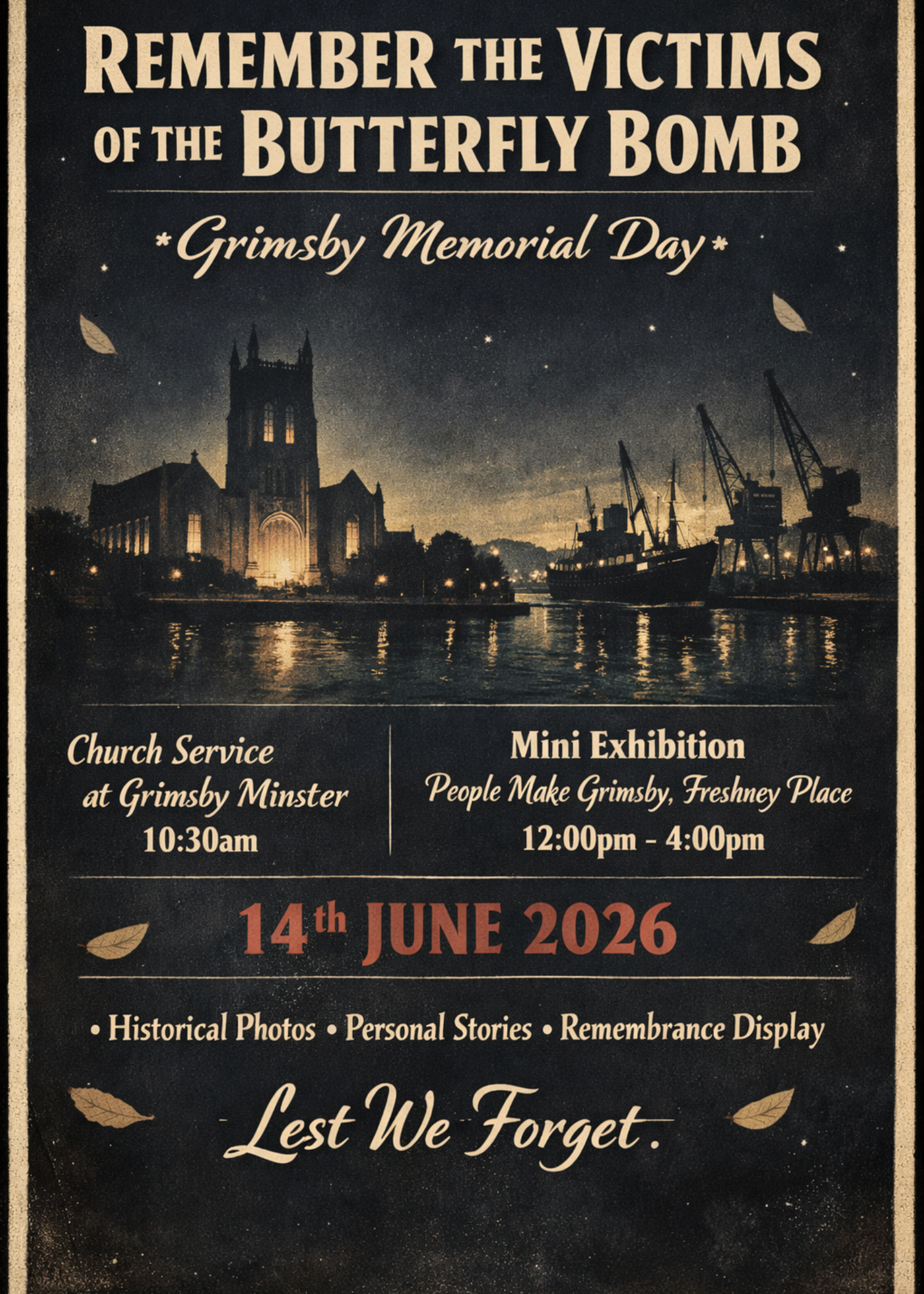
The Memorial
On June 14th, our community will come together to remember those who tragically lost their lives and to honour the extraordinary bravery shown during one of the darkest chapters in our town’s history.
Memorial Service 2pm – St James’ Minster
The afternoon will begin with a special Service of Remembrance at St James’ Minster. This service will pay tribute to the townspeople of Grimsby and Cleethorpes who sadly lost their lives, and give thanks to Major Tom Parker of No. 3 Bomb Disposal Squad.
In 1943, when an estimated 1,500 unexploded Butterfly bombs fell across our area, Major Parker and his team answered the call, working tirelessly and courageously to disarm these deadly devices and protect our community. We gather to remember their bravery and sacrifice.
7th - 14th June
There will be a mini exhibition at the People Make Grimsby Hub within Freshney place (alongside the Next store. It will include photos stories and remembrance displays. Open 12-4pm